








FADEVIN JOURNAL / PATTERNS EXPLAINED
The details behind
every pattern.
A practical guide to seeds, finish variation, wear and inspecting your own item.
THE PATTERN GUIDE
01 / THE FADEVIN GUIDE
One finish. Different identities.
Look beyond the skin’s name. A finish identifies the design, while the paint seed records a particular pattern variation. Float describes the item’s wear. These values answer different questions, so keep them separate when you compare two items.
A seed is an identifier, not a quality score: a larger number does not mean a better pattern. Record the weapon, finish, seed and float together. The same seed number on an unrelated finish does not describe the same appearance.

02 / THE FADEVIN GUIDE
How a pattern reaches the weapon.
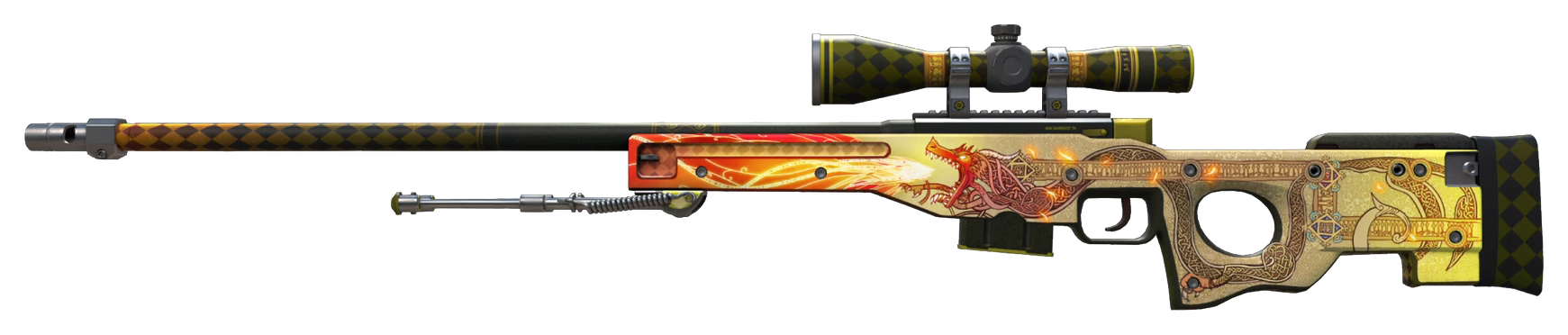
A finish combines surface artwork with rules for applying it to the weapon. Depending on the finish, the system may shift or rotate the pattern within defined limits. That can move a patch of color, a web or an illustrated detail to another part of the model.
Some designs have a deliberately fixed layout. Others allow visible variation. Inspect both sides and the normal in-hand view: a detail that looks prominent from one angle can be hidden from another.
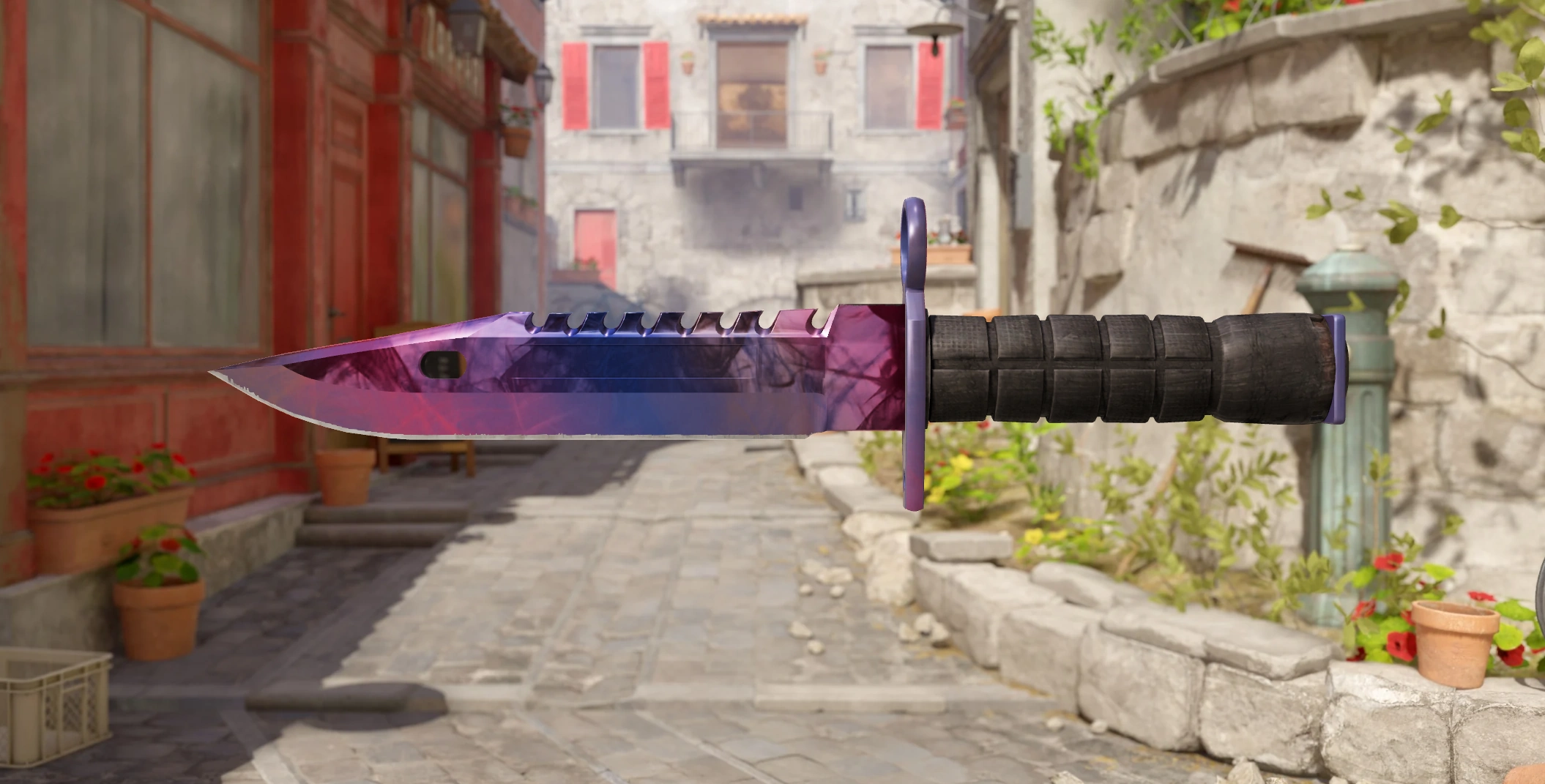
READ THE TWO VALUES SEPARATELY
Example values from the featured M9 Bayonet.
03 / THE FADEVIN GUIDE
Pattern and wear are separate.
Wear can reveal the underlying material, add scratches or change how clean the finish looks. It does not provide a new seed. Two items with the same seed can still look different because their wear values differ.
Compare patterns at similar wear and under similar lighting. Bright reflections can conceal scratches or exaggerate a color, so use a consistent inspection view before deciding which version you prefer.

04 / THE FADEVIN GUIDE
Know what to look for.
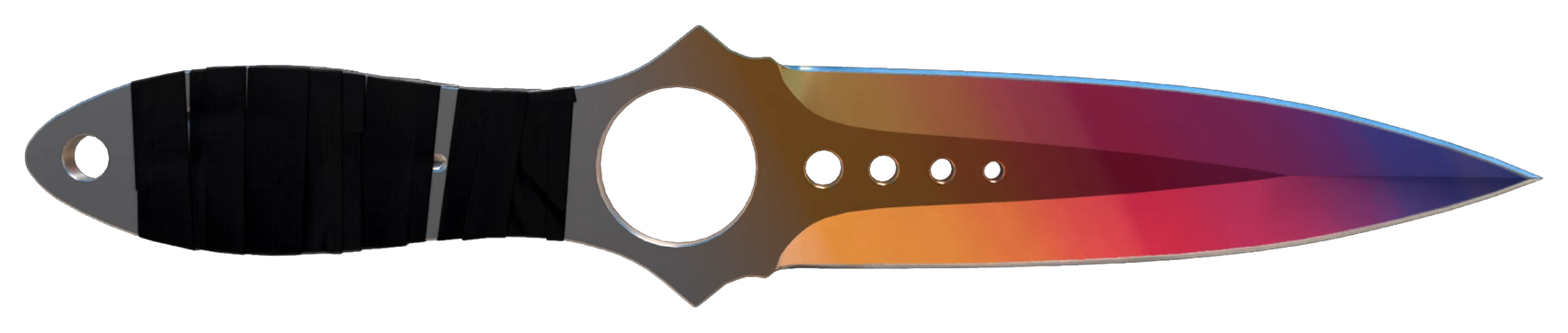
Start with the feature you can actually see. For Case Hardened, examine where the blue, gold and other colors sit. For a gradient finish, look at how the transition falls across the visible surface. For a repeating motif, check its position and completeness.
Use these as inspection prompts rather than automatic rankings. Compare the exact weapon and finish. A nickname or a percentage without a stated method is not a substitute for seeing the item.
05 / THE FADEVIN GUIDE
A desirable pattern needs context.
Collectors may seek particular color layouts or recognizable details. That does not make every unusual-looking item valuable, and it does not establish a universal price for a seed.
If you research a claimed premium, compare the same weapon, finish and condition. Keep screenshots and the item’s actual inspection data together. Treat labels such as “rare” or “best pattern” as claims to check, rather than evidence on their own.
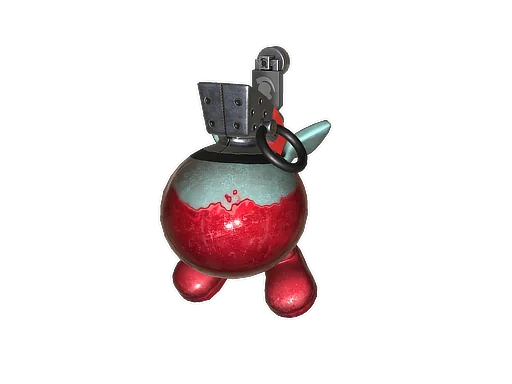
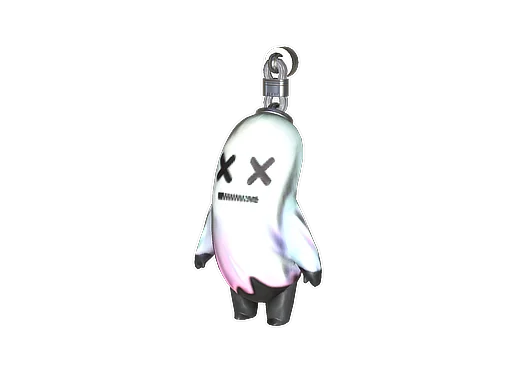
Individual designs. Individual variations.
06 / THE FADEVIN GUIDE
Charms have their own variations.
Pattern variation also matters for charms. Inspect the charm itself rather than trying to interpret it using a weapon’s seed. Its design and variation belong to that charm, even when it is attached to a skin.
When comparing two examples, use the same charm model and view. Check the visible colors and details first, then record the variation information separately from the weapon’s finish, seed and wear.

- Weapon / finish
- Identify the design
- Pattern / seed
- Record the number
- Float / wear
- Keep the full value
07 / THE FADEVIN GUIDE
Find and record your pattern.
Open the item’s inspection view in CS2 and reveal its detailed information panel. Look for the pattern template or paint seed, and note the wear rating as well. Interface wording can vary with language and game updates.
Save a clear image of the visible side and, if useful, the reverse. Before comparing a listing or screenshot, make sure it refers to the same item and finish. A display name alone does not identify its individual pattern.
BEFORE YOU CHOOSE
- 01Confirm the weapon and finish
- 02Record seed and float
- 03Inspect both sides
- 04Compare under similar lighting
- 05Keep the evidence together
08 / THE FADEVIN GUIDE
Your Fadevin inspection checklist.
Choose the look you enjoy, then check the details behind it. Keep pattern, condition and presentation separate in your notes so that one attractive screenshot does not decide the entire comparison.
For a useful personal reference, store the exact name, seed, float and your own inspection images together. Return to that record when you compare another item. Consistent observations are more useful than an unexplained ranking.